School pickup. You ask the question you've been saving all day: “How was school?”
“Fine.”
Six hours. A substitute teacher. Something involving the class hamster... still “Fine.”
Then, at 8:40pm, lights off, teeth brushed, the day finally arrives: a friendship problem, a spelling test, a joke from lunch that requires a full re-enactment, a thing someone said that has been sitting in their chest since noon. They're ready to talk, and you? You just want to do your skincare routine and be done with the day.
Their day always comes home, one way or another
If it's not the bedtime spill, it's something else. A door closed harder than usual, a meltdown about the wrong snack (the exact same snack they asked for this morning), a kid who walks in bouncing off the walls, or one who goes quiet and wants to disappear into a screen.
A school day is long. Kids spend six hours or more following rules, trying to decipher friendships, pushing their limits, getting things wrong, laughing, holding it together. All of that comes home with them, both the fun and the difficult parts. And even when there's plenty to share, it isn't always easy to know where to start, both for them and for you.
And that's the part that stings. You're right there, you want to hear about their day, you actually can't wait to know what they've been up to away from you. But often you're just asking a question that's hard for them to answer in that moment.
Why a good question can still get a short answer
Maybe you've tried the 'better' questions, you know... the ones that some Instagram post you saved months ago recommended: “What made you laugh today?” Delivered with nonchalance, of course, not like you've rehearsed it while waiting in traffic. Sometimes they open a real conversation. And sometimes even a good question brings out nothing.
Right after school, many kids have used up their patience and their words. Some need a while before they know what they want to say, or even have the mental capacity to do it. Plenty of adults are the same, let's be real. After hours spent working, dealing with frustrating colleagues, pretentious bosses, deadlines, and worthless meetings, we just want to curl up in a ball in a pitch-black, soundproof room and let the world stop.
What helps
So, what can we do as parents? Three small shifts can make a massive difference for many families.
Give it a little breathing room. Unless they make it clear that they want to talk, do not ask questions in the car! Be patient and wait. That might mean after a snack, or a quieter moment in the evening. There's no single right time for every child; what matters is that it isn't a press conference at the car door.
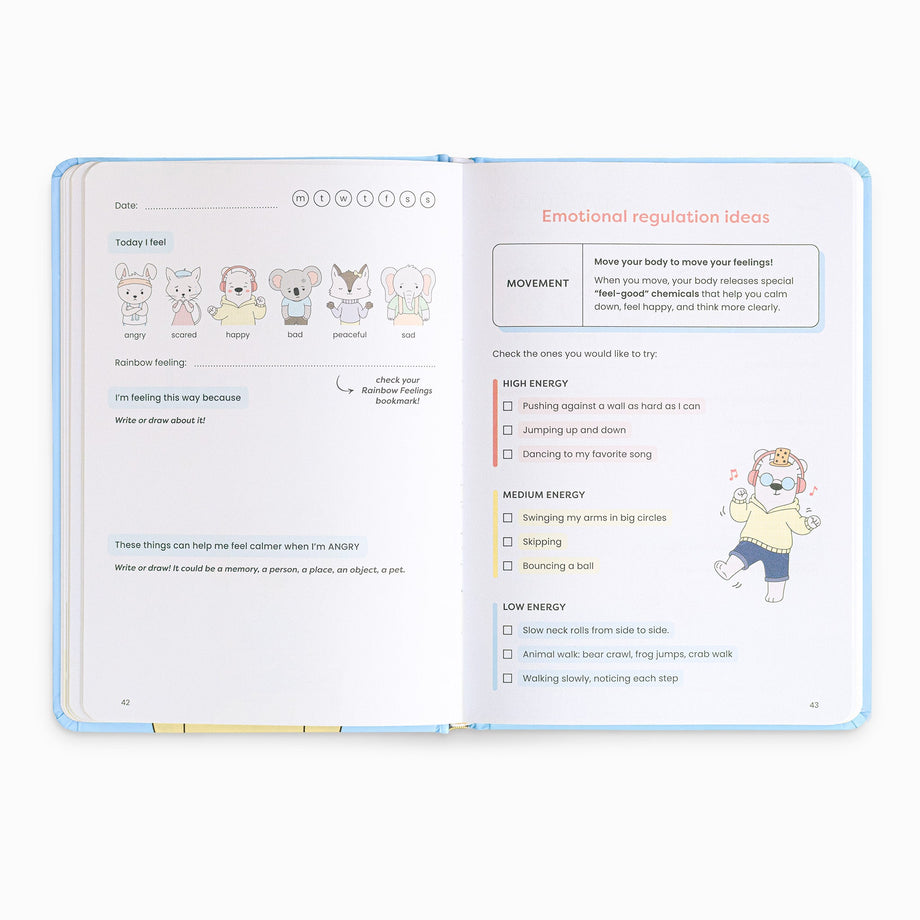
Make the question smaller. “How was school?” asks a kid to sum up six or more hours. Smaller works better: one feeling, one reason, one good thing from the day. Small enough for a 6-year-old, open enough for a 12-year-old.
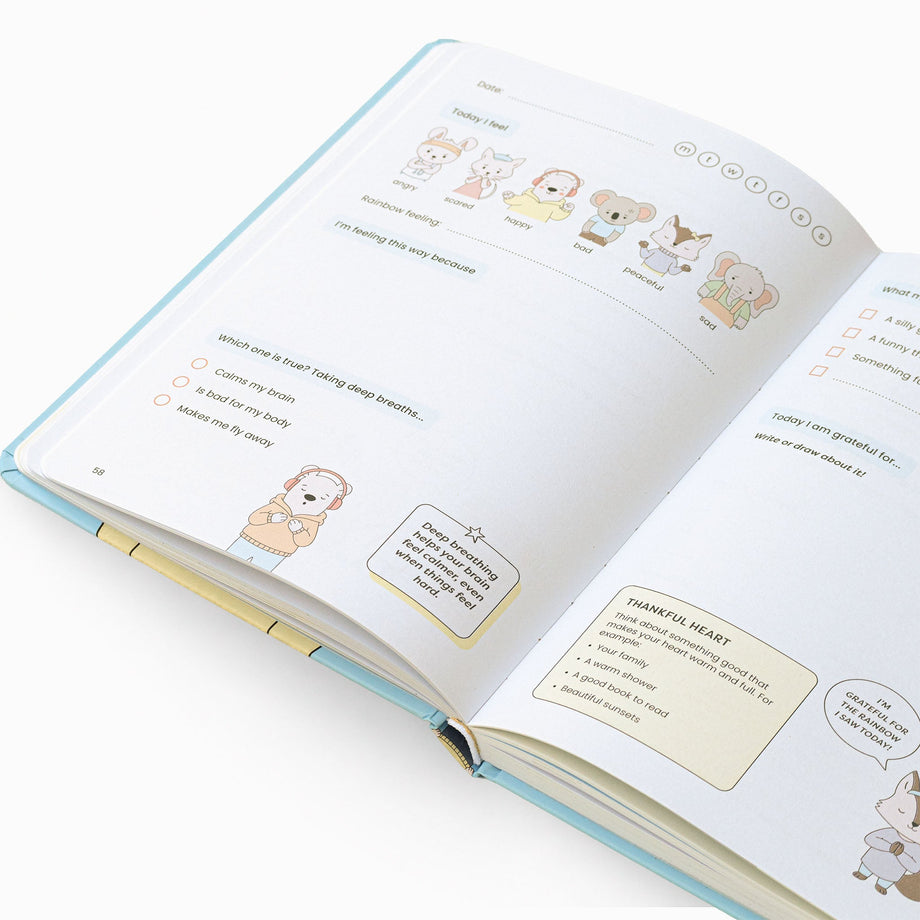
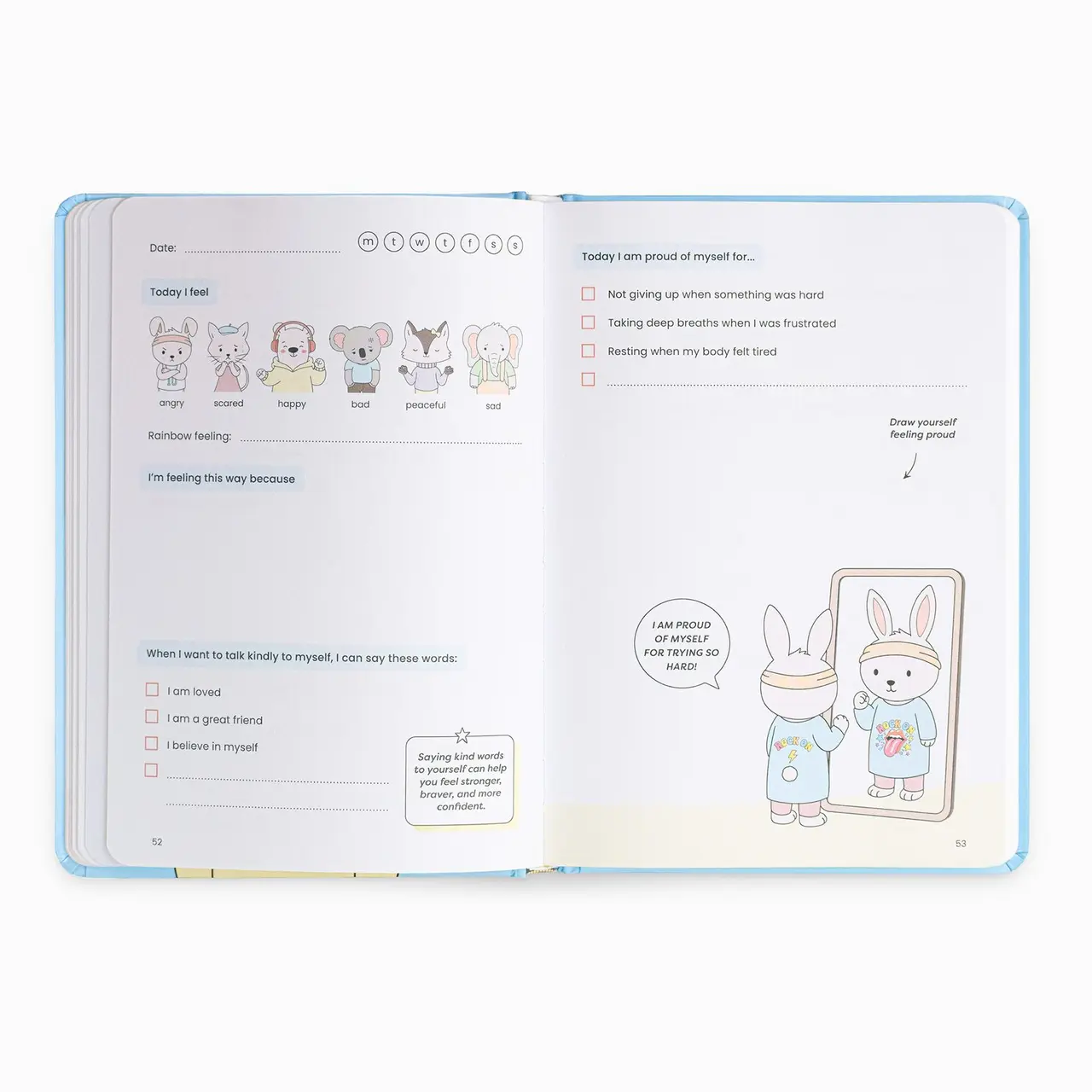
Take the spotlight off. Kids often find it easier to open up while their hands are busy: building something, drawing, doodling. Why? A page doesn't stare back, doesn't react, doesn't get worried, doesn't judge. For a lot of kids, writing or drawing what's on their minds comes before being able to say it out loud.